Dream Heart: A Romantic Font for Branding
There I was, staring at a blank brand board, trying to figure out how to bring a client’s vision to life. They wanted something warm, approachable, and a little whimsical—perfect for a small café that served artisanal pastries and handmade coffee. I reached for my usual go-to fonts, but nothing felt right. That’s when I stumbled upon Dream Heart.
As a designer, I often find myself testing new fonts in the early stages of a project. It’s like trying on different outfits before heading out for the day. Dream Heart caught my eye with its soft curves and elegant swashes. It wasn’t just a font—it felt like an idea waiting to be shaped into something real.
The Look and Feel of Dream Heart
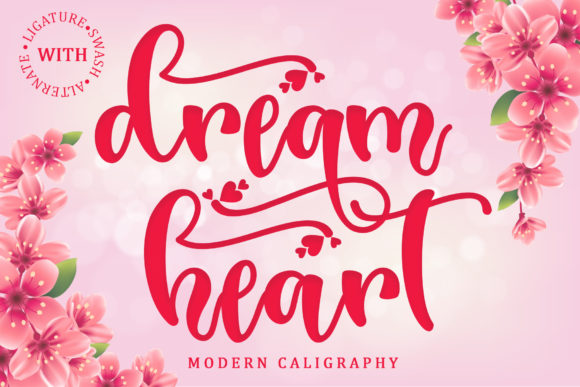
Dream Heart is a script font with a romantic and sweet personality. Its strokes are fluid, almost like a hand-drawn flourish. The detailing is precise, which gives it a polished feel despite its organic look. It’s not overly ornate, but there’s enough character to make it stand out without overwhelming the design.
I remember placing it on a logo draft for the café. The first thing I noticed was how it added a sense of warmth and intimacy. It wasn’t too bold or too delicate. It struck the perfect balance between elegance and accessibility. That’s what makes it so versatile for branding projects.
Using Dream Heart in Real Design Work
Once I had the logo approved, I started experimenting with how Dream Heart could work across other brand elements. On a business card, it gave the design a personal touch, like a handwritten note from the owner. On a shop sign, it added a charming, inviting vibe that matched the café’s aesthetic.
For packaging design, I paired it with a simple sans serif for contrast. The result was clean and modern, yet still retained the softness of the script. On product labels, it brought a sense of authenticity, as if each item was crafted with care. Even on social media graphics, it felt right—like the voice of the brand itself.
One thing I appreciated about Dream Heart was how easy it was to use. Since it’s PUA encoded, I didn’t have to worry about missing glyphs or swashes. Everything was accessible with just a few clicks, which saved me time during the design process.
When to Use Dream Heart
Dream Heart works best as a display or headline font. It’s not meant for long paragraphs, but as a focal point in logos, headers, or short-form text. It adds a personal and emotional tone that can elevate a brand’s visual identity.
That said, it can also serve as an accent font when paired with more neutral typefaces. I found that pairing it with a classic serif font created a timeless look, while a modern sans serif gave it a fresh, contemporary edge. The key is to let it shine where it matters most.
In editorial design, Dream Heart can be used for pull quotes or section headings. On a website header, it adds a unique flair that catches the eye without being distracting. For printed marketing materials, it brings a sense of craftsmanship and attention to detail.
Practical Tips for Testing Dream Heart
Before finalizing any design, I always test a font in multiple contexts. I’ll place it on mockups, print samples, and digital screens to see how it performs. With Dream Heart, I noticed that it looked best at larger sizes. At smaller sizes, some of the finer details got lost, which made it less readable.
I also checked how it worked with different color schemes. Light backgrounds highlighted its elegance, while darker tones gave it a more dramatic feel. It was interesting to see how the same font could evoke different emotions depending on the context.
Another thing to consider is font pairing. I found that Dream Heart pairs well with both serif and sans serif fonts. It’s important to choose a complementary typeface that doesn’t compete with it. A clean, minimal font often works best, allowing Dream Heart to take center stage.
Realistic Design Observations
On a shop sign, Dream Heart added a welcoming feel that matched the café’s cozy atmosphere. On a label sticker, it gave the product a personal touch that customers would notice. In a homepage hero section, it stood out as the main message, drawing visitors in with its charm.
For Instagram posts, I used it sparingly in captions and graphic overlays. It added a bit of flair without being overwhelming. In flyers, it helped create a cohesive look that tied everything together.
One of the most satisfying parts of using Dream Heart was seeing how it contributed to the overall brand perception. It helped create a sense of trust and authenticity, which is essential for small businesses looking to connect with their audience.
Final Thoughts on Dream Heart
As a designer, I’m always on the lookout for fonts that can bring a project to life. Dream Heart has become one of my go-to choices for branding projects that require a personal and romantic touch. Its blend of elegance and simplicity makes it a valuable addition to any design toolkit.
Whether you’re working on a café logo, a skincare brand, or a creative studio, Dream Heart offers a unique way to express your brand’s personality. It’s not just a font—it’s a design choice that tells a story.
If you’re looking for a premium font that feels both professional and heartfelt, Dream Heart is worth considering. It’s a great example of how typography can shape the way people perceive a brand—and how a single font can make all the difference.